Uncovering America's Forgotten Leader: The Case for John Hanson as the First President
A historian argues that John Hanson, not George Washington, chronologically served as the inaugural head of state under the Articles of Confederation.
U.S.·
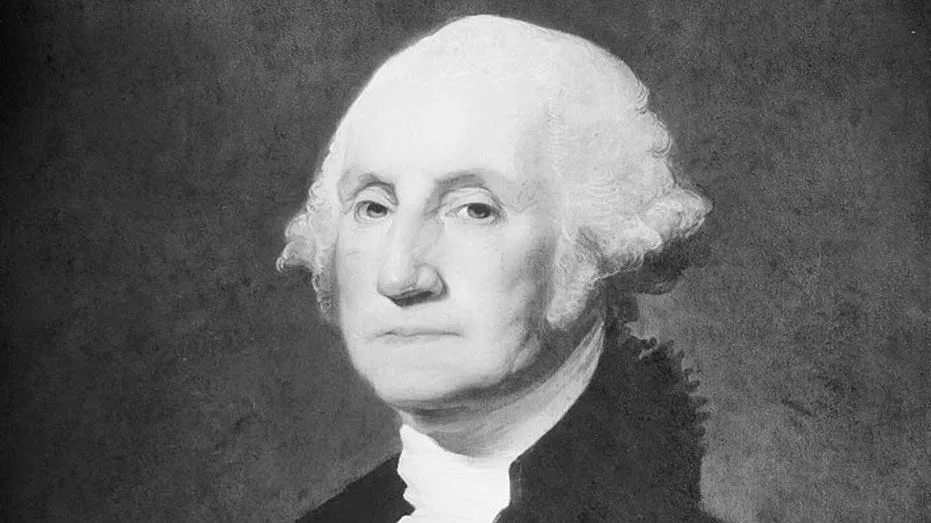
The question of who truly served as the first president of the United States often elicits a swift and confident answer: George Washington. However, this widely held belief is challenged by historical researchers who point to an earlier figure who held the top executive office under a different governmental structure.
According to Peter Michael, a descendant of John Hanson and author of "Remembering John Hanson, A Biography of the First President of the Original United States Government," the chronological truth is clear. "There's no question about it. Chronologically, he certainly was," Michael asserts. He explains that for any entity to function as a sovereign nation, it requires both a government and a head of state. Upon the establishment of the newly seated government, its immediate priority was to elect a head of state, and that individual was John Hanson.
A Predecessor Acknowledged by Washington?
Michael further contends that even George Washington himself would have concurred with the assertion of Hanson's primacy. "He said so as president and later. He said so throughout the rest of his life, John Hanson was the first president," Michael states.
Hanson's tenure as president, beginning with his election by delegates of the Continental Congress on November 5, 1781, under the Articles of Confederation, saw the formation of a functioning government. He established a Cabinet, which included a secretary of war, a secretary of foreign affairs, and a postmaster general. A significant diplomatic achievement during his time was sending Benjamin Franklin, John Adams, John Jay, and Henry Laurens to Paris in 1782 to negotiate the British surrender, effectively ending the Revolutionary War.
Establishing Key National Institutions
Beyond foreign policy, Hanson's leadership was instrumental in the creation of several foundational institutions. The first national bank, the initial census, and the first U.S. coinage were all established during his presidency. Additionally, it was Hanson who officially instituted Thanksgiving, issuing the proclamation on March 19, 1782.
Michael emphasizes Hanson's role as a "government builder." Unlike subsequent presidents who inherited established systems, Hanson faced a "blank slate." He was tasked with constructing a governmental framework from the ground up, appointing his cabinet members, including prominent figures, and filling other crucial roles like the Postmaster General. "Every other president since Hanson inherited a functioning government, but he inherited a blank slate, and he had to be a government builder, which he was," Michael explains. "So he started appointing his cabinet, including some big names, and then some of the more minor offices, like Postmaster General, and put together a government in his one-year term. That's all he had. At the end of his year, we had a functioning government. And a functioning nation."
This historical perspective raises intriguing questions: Why has Hanson's role remained largely obscured from public consciousness for centuries? Should historical narratives be re-evaluated to grant him the recognition some believe he deserves? Such a reconsideration might even prompt hypothetical discussions about altering national symbols, like renaming the capital or revising the imagery on currency.
Related Stories
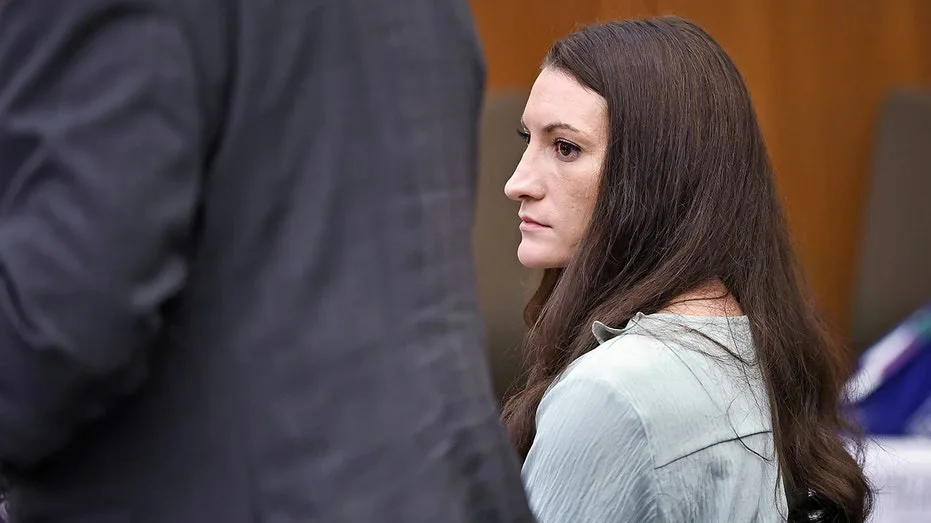
Social Media Could Reshape Lindsay Clancy Retrial Dynamics, Retired Judge Suggests Amid Jury Deadlock
With jurors in the Lindsay Clancy murder trial reporting a second deadlock, a retired judge suggests that social media could dramatically alter the landscape of a potential retrial, potentially benefiting the defense
Sep 3

US Military Sinks Vessel Linked to Los Choneros Narco-Terrorists in Eastern Pacific
The U.S. military recently interdicted and sank a vessel in the Eastern Pacific, asserting it supported the "Los Choneros" narco-terrorist group. This action is part of a broader campaign to dismantle illicit drug
Sep 3
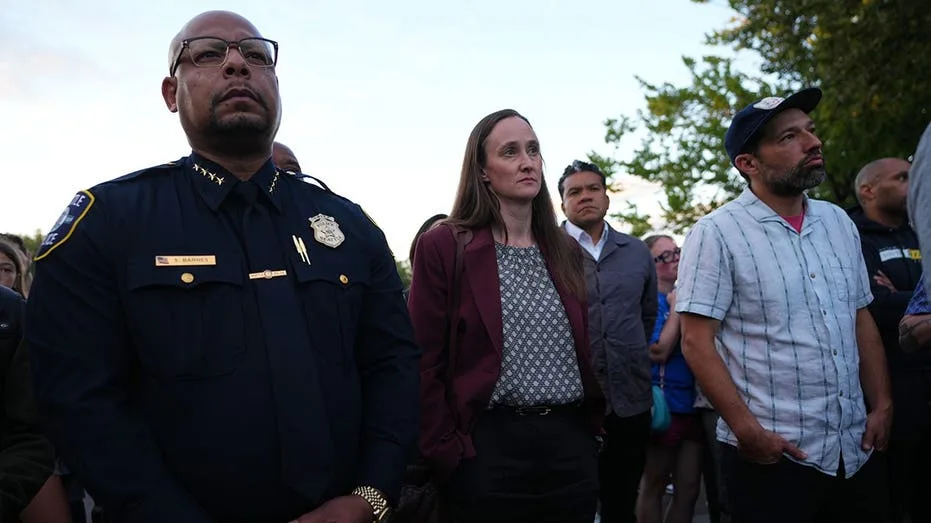
Seattle Teen Accused in Deadly Food Festival Shooting Claims Self-Defense
A 15-year-old, the only person charged in a deadly Seattle food festival shooting that killed three, claims self-defense. He asserts he fired after others shot at him, but prosecutors argue his actions were reckless.
Sep 3
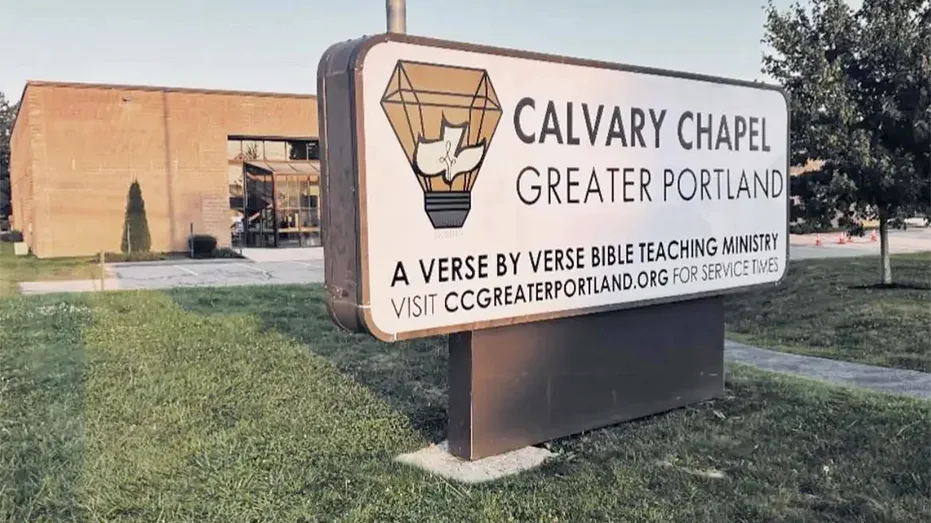
Maine's Highest Court Affirms Father's Final Authority Over Daughter's Church Attendance
Maine's Supreme Judicial Court affirmed a lower court's decision, giving a father final say over his daughter's attendance at her mother's evangelical church. The ruling cited concerns about messages that alienated the
Sep 3