Luigi Mangione's Legal Team Denounces Plea Deal Reports, Cites Threat to Fair Trial
Attorneys for Luigi Mangione are refuting claims of federal plea negotiations, alleging deliberate leaks aimed at influencing public opinion and jeopardizing his right to an impartial jury.
U.S.·
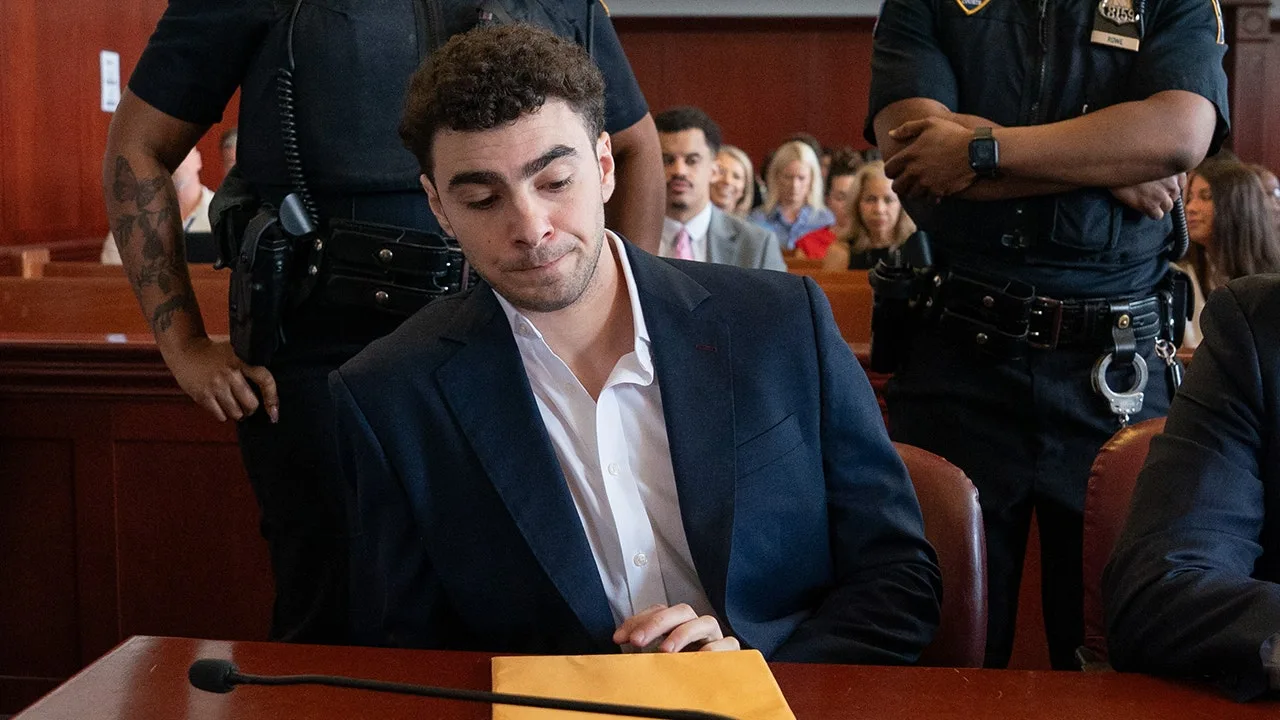
The legal representatives for Luigi Mangione, who is a suspect in the assassination of a UnitedHealthcare CEO, are actively refuting recent media reports suggesting that their client has been involved in negotiations for a federal plea agreement.
Reports emerged recently, citing unnamed sources, that Mangione had engaged with federal prosecutors regarding a potential plea deal. These same sources indicated that an agreement was reportedly close to being finalized before ultimately collapsing.
"This information attributed to ‘anonymous sources’ is part of a troubling, deliberate pattern by prosecutors and law enforcement to prejudice Luigi, manipulate public opinion, and violate his constitutional right to a fair trial and impartial jury," stated Mangione's attorney, Agnifilo.
Agnifilo emphasized the fundamental principle of the justice system, adding, "Every defendant in America is presumed innocent until proven guilty, including Luigi, who, unlike any other defendant, has to fight the same charges twice." This comment suggests Mangione is facing parallel or sequential legal proceedings.
Federal Charges and Prior Dismissals
Mangione is currently facing two federal stalking charges that resulted in a death. Earlier in 2026, two other federal charges, specifically murder through the use of a firearm and a separate weapons charge, were dismissed. The federal murder charge had been eligible for the death penalty.
Evolution of Defense Strategy
Initially, Mangione's legal team had informed the court of their intention to pursue a psychiatric defense, specifically planning to argue "extreme emotional disturbance." However, this defense strategy was unexpectedly withdrawn shortly after its announcement.
Under New York state law, if a jury were to accept a claim of extreme emotional disturbance after a conviction, it could potentially reduce a murder verdict to first-degree manslaughter.
Legal expert Rice commented on the sudden change, suggesting that Mangione might have had a reconsideration. "He might have had a change of heart and said, 'Wait a second, I'm going into state court. I'm admitting that I did this. How is this going to play when I'm facing even more serious charges in federal court in January of next year?'" Rice speculated.
Criminal defense attorney James Leonard characterized the initial psychiatric defense approach as "a very risky trial strategy."
"They are basically telling the jury that Mangione committed the murder, but here is why he did it and, because of this, you should nullify his guilt," Leonard explained. He further elaborated on the potential outcomes: "If the jury accepts that, it would be an epic win for the defense team. If the jury rejects that, it [would] likely mean that Mangione will spend the rest of his life behind bars."
Related Stories
Social Media Could Reshape Lindsay Clancy Retrial Dynamics, Retired Judge Suggests Amid Jury Deadlock
With jurors in the Lindsay Clancy murder trial reporting a second deadlock, a retired judge suggests that social media could dramatically alter the landscape of a potential retrial, potentially benefiting the defense
Sep 3

US Military Sinks Vessel Linked to Los Choneros Narco-Terrorists in Eastern Pacific
The U.S. military recently interdicted and sank a vessel in the Eastern Pacific, asserting it supported the "Los Choneros" narco-terrorist group. This action is part of a broader campaign to dismantle illicit drug
Sep 3

Seattle Teen Accused in Deadly Food Festival Shooting Claims Self-Defense
A 15-year-old, the only person charged in a deadly Seattle food festival shooting that killed three, claims self-defense. He asserts he fired after others shot at him, but prosecutors argue his actions were reckless.
Sep 3

Maine's Highest Court Affirms Father's Final Authority Over Daughter's Church Attendance
Maine's Supreme Judicial Court affirmed a lower court's decision, giving a father final say over his daughter's attendance at her mother's evangelical church. The ruling cited concerns about messages that alienated the
Sep 3