WNBA Addresses Transgender Athlete Discussions, Denounces "Bad-Faith Efforts" Amidst Ongoing Debate
The league's task force continues to deliberate on athlete eligibility and the definition of "woman" while condemning online hostility.
Sports·
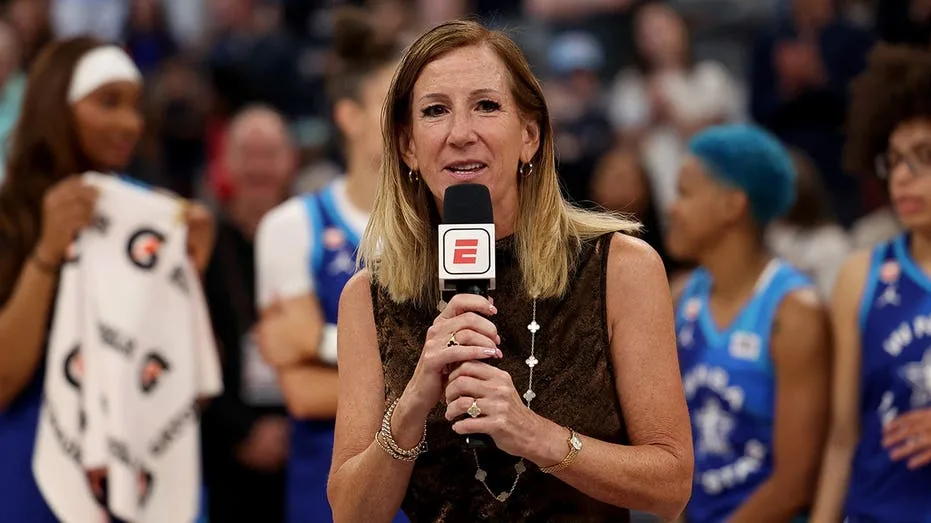
The Women's National Basketball Association (WNBA) has been grappling with complex questions surrounding athlete eligibility and the definition of a "woman," issues that have sparked considerable public discussion. After forming a task force to address these matters, the league recently provided an update on its progress, indicating that further deliberations are scheduled.
On Wednesday, the WNBA released a statement outlining its current stance. "Today's meeting covered a wide range of topics, including ongoing discussions on transgender athletes and the continued hate and vitriol directed at players online," the league stated. "We will continue to engage all league stakeholders in the coming weeks and months. We will approach these important conversations thoughtfully and in alignment with the values of our league. There are no immediate eligibility matters affecting the WNBA, and we strongly denounce the bad-faith efforts to use these topics to demean or marginalize others." This communication suggests a continued deferral of definitive policy decisions.
Lack of a Clear Definition
The ongoing discussions involve WNBA Commissioner Cathy Engelbert, who oversees a league dedicated to women's basketball but has yet to provide a definitive answer regarding the eligibility criteria for female athletes. The league's collective bargaining agreement (CBA) explicitly states, "only players who are women are eligible to play in the WNBA." However, critics point out that the extensive 400-plus-page document does not contain a clear definition of what constitutes a "woman," leaving an interpretive gap.
This perceived ambiguity was highlighted when former NBA players Enes Kanter Freedom and Royce White publicly declared their intention to enter the 2027 WNBA Draft. Their stated purpose was to draw attention to what they view as a significant loophole in the league's eligibility guidelines.
Player Experiences and League Response
Amidst the league's ongoing internal discussions, some players have taken public stances on the issue. Indiana Fever guard Sophie Cunningham, for instance, has openly advocated for women's sports and locker rooms to be reserved exclusively for biological females.
Cunningham was involved in an on-court incident where Chicago Sky guard DiJonai Carrington received a Flagrant 2 foul and was ejected for striking Cunningham across the head. Following the game, Carrington posted "WHITE PRIVILEGE @indianafever" on social media.
Fever coach Stephanie White initially remained silent on the incident but later described the hit as "egregious" after facing public criticism for her delay. When she did address the controversy, her remarks largely focused on condemning "hate," "fear-mongering," and "divisiveness" within the "online community," rather than directly addressing the physical play or the broader eligibility debate.
This sequence of events has led some observers to suggest a pattern where players who speak out in favor of biological distinctions in women's sports face repercussions, while the league's leadership appears more focused on managing the tone of public discourse than on establishing clear competitive standards.
Global Standards vs. WNBA Approach
In contrast to the WNBA's prolonged deliberations, several international sports federations have already implemented definitive biological eligibility standards. Organizations such as World Aquatics, World Athletics, and the Union Cycliste Internationale (UCI) have established clear policies regarding the participation of transgender athletes in women's categories. The WNBA, however, continues to engage in what some characterize as an extensive series of "listening sessions," "stakeholder engagement," and carefully worded public relations statements without a concrete resolution.
Critics argue that the league must eventually define its core principles and decide what it aims to protect within women's sports. They suggest that continued postponement of these critical decisions, through prolonged meetings and public relations strategies, will not circumvent the fundamental biological realities at the heart of the debate.
Should the WNBA persist in delaying definitive policy decisions and prioritize admonishing critics over supporting female athletes who voice concerns, there is a possibility that an unforeseen eligibility conflict could force the league's hand and dictate its future direction.
Related Stories
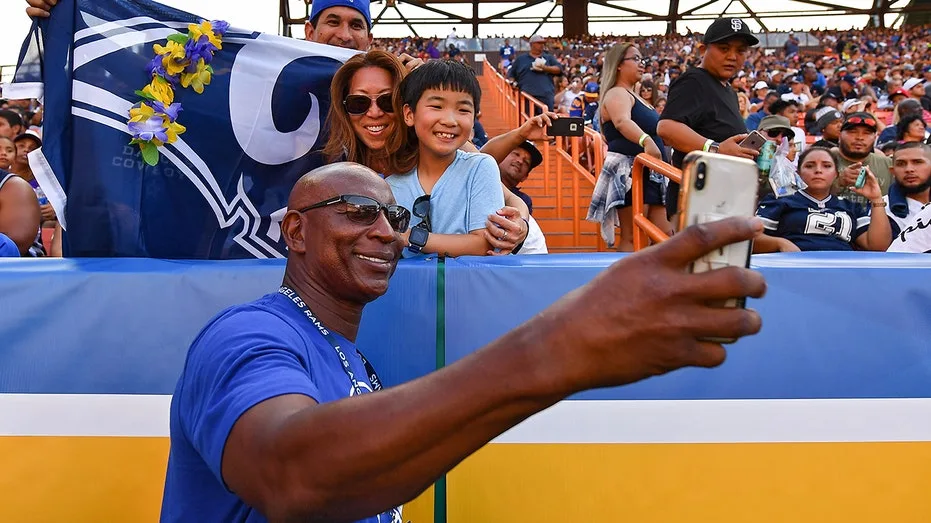
Rams Legend Eric Dickerson Praises Incoming Angels Owner Stan Kroenke: "He Likes Winning"
Rams icon Eric Dickerson offered high praise for Stan Kroenke, the new owner of the Los Angeles Angels. Dickerson, an ambassador for Kroenke's Rams, emphasized Kroenke's dedication to winning, as the Angels prepare for
Sep 3
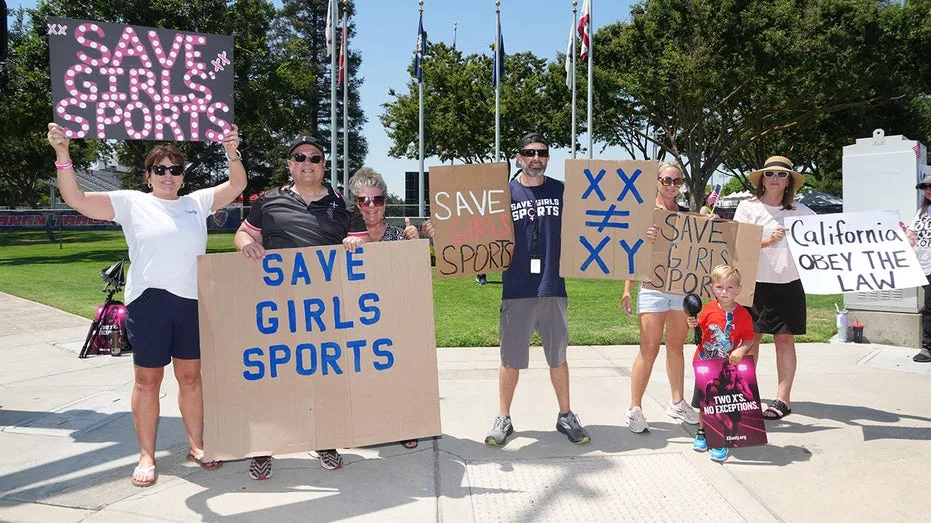
Federal Judge Dismisses Challenge to California Policy Allowing Transgender Athletes in Girls' Sports
A federal judge has dismissed a Department of Justice lawsuit challenging California's policy that permits transgender athletes assigned male at birth to compete in girls' sports. This ruling allows the state's existing
Sep 3
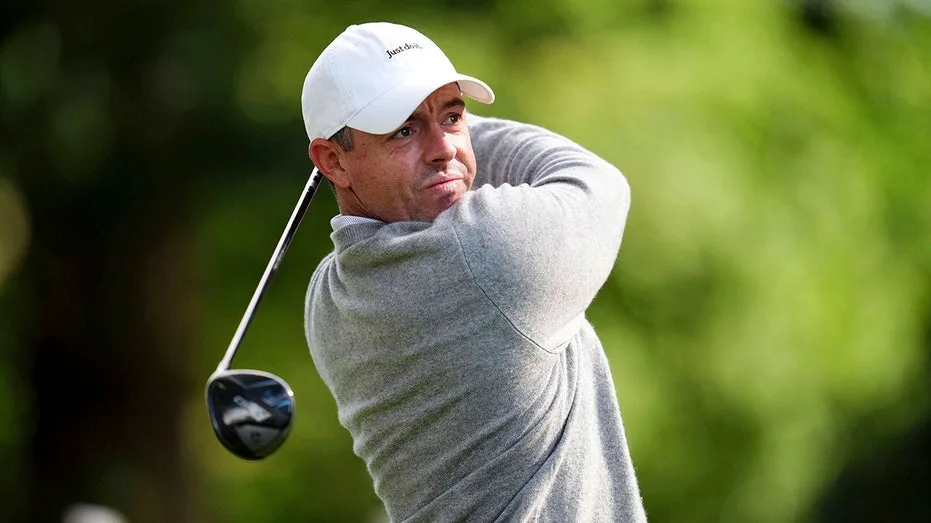
Rory McIlroy Signals Reduced PGA Tour Schedule and Reflects on Golf's Shifting Landscape
Veteran golfer Rory McIlroy has indicated he will further reduce his PGA Tour commitments, prioritizing major championships and family time. He reflected on how the emergence of LIV Golf led to tour changes, suggesting
Sep 3
Jalen Hurts Addresses Evolving Relationship with A.J. Brown Following Star Receiver's Trade to Patriots
Jalen Hurts has spoken out about his relationship with A.J. Brown after the star receiver's trade. Hurts confirmed their bond has changed, echoing Brown's earlier sentiment that people can simply grow apart, despite
Sep 3